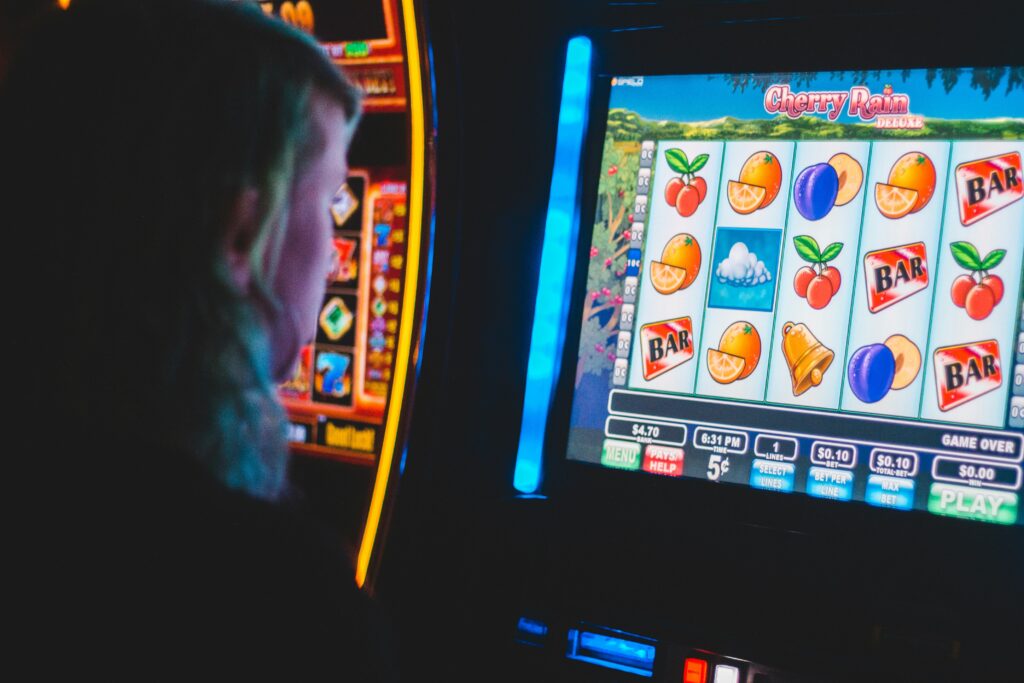

Not Just a Bad Bet: When Losing Gets Serious
It usually starts small ten bucks here, twenty there. Nothing to worry about. But for a lot of punters, those small wagers become daily habits. Then coping mechanisms. Then problems. The transition is subtle until it’s not.
What often follows is a slow unraveling. Missed bills. Hidden bank statements. Skipped social events. The emotional weight builds quietly. Guilt, stress, and denial pile up until something cracks. Some lose savings. Others strain relationships. A few spiral so far they don’t recognize themselves in the mirror.
Behind flashy promos and win stories, the darker side rarely gets airtime. But it’s there in data and in real life damage. Studies show most long term betting losses don’t come from big, reckless wagers. They come from repetition. From small, consistent losses over time, made worse by chasing break even.
Patterns vary, but the traps are familiar: betting when bored or upset, doubling down after a bad run, thinking you’re due for a win. It’s not just money at stake. It’s mental health, time, and trust. And once those lines get crossed, it’s no longer about the odds it’s about control.
What the Worst Days Taught Them
Everyone thinks they’ll stop in time until they don’t. For many punters, the real warning signs came too late, buried under a mountain of denial. Jack, a former semi pro bettor, recalls the moment it clicked: he sold his watch to chase a 14 leg accumulator. “It wasn’t about the win anymore,” he said. “It was about making the loss hurt less.”
Another bettor, Sonia, watched her rent money disappear during a late night run of live tennis bets. “I didn’t know the players. I just needed to feel like I was in control of something. I wasn’t.” Her turning point wasn’t a lost bet it was the silence from her family after she admitted the damage.
These stories don’t follow a neat script. For some, rock bottom was waking up to an empty bank account. For others, it was skipping a friend’s wedding to chase odds on a game they barely followed. The common thread? A moment of sharp, undeniable clarity: this isn’t entertainment anymore.
Denial is quiet it tells you you’re just one win away. Real change starts when that voice finally loses credibility. Read more raw player experiences here: betting loss stories.
Key Lessons from Their Stories

There’s a point where persistence turns into self sabotage and it usually looks like chasing losses. Most punters who went deep into the red weren’t high rollers making one reckless call. They were everyday bettors who couldn’t walk away. The string of small losses becomes a mission to get even. But that urge to recover fast usually only digs the hole deeper.
One of the biggest mental traps? Believing you’re “due” for a win. No, the roulette wheel isn’t keeping score. This mindset turns probability into fantasy, and it fuels reckless bets that ignore basic logic. A losing streak isn’t a debt the universe plans to repay.
Emotion is another silent threat. The rush of winning, the sting of losing it clouds judgment. Emotional betting is impulsive. Strategic betting, on the other hand, is slow, selective, and boring in the best way. It sticks to a plan, not a gut feeling.
Here’s the raw truth: setting hard limits on time and money can feel restrictive, but it’s the only thing that keeps control in your hands. And limits only work if you actually stick to them. Most punters who recovered learned this the hard way.
You don’t have to walk that same path. Hear it straight from those who’ve been there: betting loss stories.
How They Rebuilt After Losing Big
The aftermath of major losses often forces punters to reevaluate more than just their bankrolls. Some were able to bounce back but not without hard choices, personal reflection, and support from others.
Rebuilding Financially and Emotionally
Getting back on your feet takes more than time. It takes ownership.
Budget resets: Many started with clear, written budgets to regain control of their finances.
Breaking down debt: Facing accumulated debt head on, either through consolidation or structured repayment plans.
Emotional healing: Dealing with guilt, shame, and stress became just as important as money management.
“I stopped lying to myself about how bad it had gotten. That’s when I started to make progress.”
Seeking Support Isn’t Weakness
The turning point for many was realizing that recovery doesn’t have to be solitary. In fact, it shouldn’t be.
Professional help: Therapists and counselors helped many unpack the underlying reasons behind compulsive betting.
Support communities: Joining groups online or in person offered accountability and shared insight.
Mentorship: Talking with former bettors who turned their lives around proved invaluable for some.
Help often came from unexpected places but only after they opened up.
Reframing or Walking Away
Not everyone returned to betting. Some reshaped their habits. Others quit entirely.
Setting strict limits: For those who continued, defined betting boundaries and time caps became non negotiables.
Reframing the role of betting: Viewing betting as low stakes entertainment not income helped reduce pressure.
Deciding to stop: For many, total abstinence was the healthier decision. And that choice was empowering.
Recovery didn’t look the same for everyone but it always started with admitting the loss, and choosing a better next step.
Red Flags You Shouldn’t Ignore
Most people don’t plan to lose control. It creeps in quietly then refuses to leave. If you’re losing sleep not because you’re up late, but because your mind won’t shut off after a bet, that’s one of the first signs things have tilted from hobby to hazard. It gets worse when bets start pulling at more than your time. Arguments with partners, distancing from friends, skipping obligations if betting is starting to cost you real connections, it’s time to hit pause.
Borrowing money to keep going is a fast route to hitting bottom. Whether it’s dipping into credit cards, loans, or asking friends for a “spot,” that cycle tends to end the same way deeper in the hole, with less support. Another common signal? Doubling down after a loss. It sounds logical get back what you lost but it often amplifies the damage. What feels like strategy in the heat of the moment is usually desperation dressed up as confidence.
And then there’s the emotional rollercoaster. That jolt of adrenaline might feel like fun at first, but when every win feels like euphoria and every loss hits like a truck, you’re no longer playing a game. You’re riding something that can break you. Recognize that rush for what it is emotional overinvestment and step back before it pulls you under.
Smarter Betting Starts Here
The smartest punters aren’t always the luckiest they’re the ones who pay attention. Real learning comes from watching where others went off the rails and being honest enough to adjust your own path. It’s not about judgment; it’s about pattern recognition. If five people say chasing losses wrecked their finances, maybe that’s not a lesson you need to learn firsthand.
Controlling risk and emotion is where bets stop being games and start being calculated decisions. Use basic tools: set hard limits, timebox your sessions, and walk in with a budget you won’t try to outwit later. Understand your triggers. Are you betting angry? Bored? These are red flags, not reasons to open an app.
Transparency cuts through the noise. Track every bet. Own your results. That kind of discipline beats gut instinct in the long run. It’s not about never losing it’s about avoiding the spiral. Self control isn’t sexy, but it might be the most valuable edge you’ve got. Luck drifts. Your strategy shouldn’t.

 As both a co-founder and key contributor at BetVlogHub. Auritha drives the platform’s vision of blending betting insights with cutting-edge technology. Her work focuses on innovation, user experience, and building resources that empower readers to make smarter betting decisions.