

Aesthetic visuals can make or break your content. I mean, who wants to look at a boring, drab post? You want something that grabs attention and keeps it. dark:ih71b_rxy_k= imagenes aesthetic are exactly what you need.
But here’s the thing. Many creators struggle with making their content visually appealing. It’s not just about slapping on some colors and hoping for the best.
There’s a science to it.
This article is backed by extensive research and practical insights from industry experts. So, you can trust that the tips and strategies here will help you create visually stunning and engaging content.
Let’s dive in.
Understanding Aesthetic Visuals: The Basics
What are aesthetic visuals and why are they important? They’re the visual elements that make something look good. Simple, right?
But it’s more than just pretty pictures. Aesthetic visuals can make or break how people perceive your content.
How do visual aesthetics influence user behavior and content performance? Well, think about it. When you see a well-designed image, you’re more likely to engage with it.
It catches your eye, makes you curious, and keeps you interested. That’s the power of good design.
Key elements of aesthetic visuals include color, composition, typography, and imagery.
Color sets the mood. Bright, bold colors can be energetic and exciting. Soft, muted tones can feel calm and soothing.
Composition is how you arrange the elements in your frame. It’s like setting up a scene in a movie. Everything has its place, and it all works together to tell a story.
Typography is the art of arranging type. It’s not just about picking a font; it’s about how the text looks and feels. Good typography can make your message clear and impactful.
Imagery is the use of photos, illustrations, and other visual elements. High-quality, relevant images can enhance your message and make it more memorable.
dark:ih71b_rxy_k= imagenes aesthetic
These elements work together to create a cohesive and appealing visual experience. When done right, aesthetic visuals can significantly boost engagement and make your content stand out.
Choosing the Right Colors for Your Visuals
Color is like the mood ring of design. It can make your audience feel calm, excited, or even hungry. Understanding color theory is key.
It’s all about how colors affect emotions and perceptions.
Think of it this way: red is like a fire alarm. It grabs attention and can stir up strong feelings. Blue, on the other hand, is more like a cool breeze.
It’s soothing and trustworthy.
When you’re picking colors, think about the vibe you want to create. Do you want to energize or relax your audience? (It’s not just about what looks good; it’s about what feels right.)
Brand consistency is another big deal, and your colors should match your brand identity. Imagine if Coca-Cola suddenly used green instead of red.
It would be like seeing a zebra with polka dots—just plain confusing.
To keep things in check, use tools and resources. They help you select and manage color palettes. Think of these tools as your color compass.
They guide you through the maze of choices and help you stay on track.
dark:ih71b_rxy_k= imagenes aesthetic
By understanding color theory and using the right tools, you can make sure your visuals hit the mark. It’s all about creating that perfect harmony, where everything just clicks.
Mastering Composition and Layout
The rule of thirds is a classic, and everyone talks about it. But let’s be real, sometimes it feels like a crutch.
Sure, it helps create balanced and visually pleasing compositions. But do you really need to follow it all the time?
Symmetry can be striking. It’s neat, orderly, and can make your visuals look polished. But here’s the thing: symmetry can also be boring.
(Think about it—how many symmetrical photos do you actually remember?)
Asymmetry, on the other hand, adds a dynamic edge. It can make your visuals stand out and feel more natural. Don’t be afraid to break the rules and go for an asymmetrical layout.
It might just give you that unique look you’re after.
Focal points are crucial. They guide the viewer’s eye and tell a story. But how do you create them?
One technique is to use contrast—make your key element stand out by using different colors or textures. Another is to play with depth, using layers to draw attention to the most important part of your image.
dark:ih71b_rxy_k= imagenes aesthetic
But here’s a contrarian take: sometimes, the best focal point is no focal point at all. A well-composed, evenly distributed visual can be just as engaging. It invites the viewer to explore the entire image, not just one spot.
So, next time you’re setting up a shot, think twice before sticking to the usual rules. Experiment, break some norms, and see what works best for you.
Typography and Text Integration
Choosing the right fonts is crucial, and it can make or break your design. You want something that complements your visuals and enhances readability.
Font Selection
I prefer clean, simple fonts. They’re easier on the eyes and don’t distract from the main content. Think of it like a good background in a vlog.
It should support the story, not steal the show.
Text Placement
When it comes to integrating text, less is more. (Seriously, no one wants to read a wall of text.) Place your text in areas where it naturally fits. This way, it enhances the visuals without overwhelming them.
Hierarchy
Creating a clear visual hierarchy is key. Use size, weight, and color to guide the viewer’s eye. Larger, bolder text for headings.
Smaller, lighter text for details. It’s like organizing your vlog content: the most important stuff first, then the supporting details.
Dark:ih71b_rxy_k= imagenes aesthetic
If you’re starting out, focus on simplicity. (It’s a principle that works well in both design and vlogging.) A clean, well-organized layout makes everything easier to understand and more engaging.
Pro tip: Test different font combinations and placements. See what works best for your specific project. And if you’re diving into vlogging, check out this guide on how to start a betting vlog.
It might give you some ideas on how to integrate text and visuals effectively.
Using High-Quality Imagery and Graphics
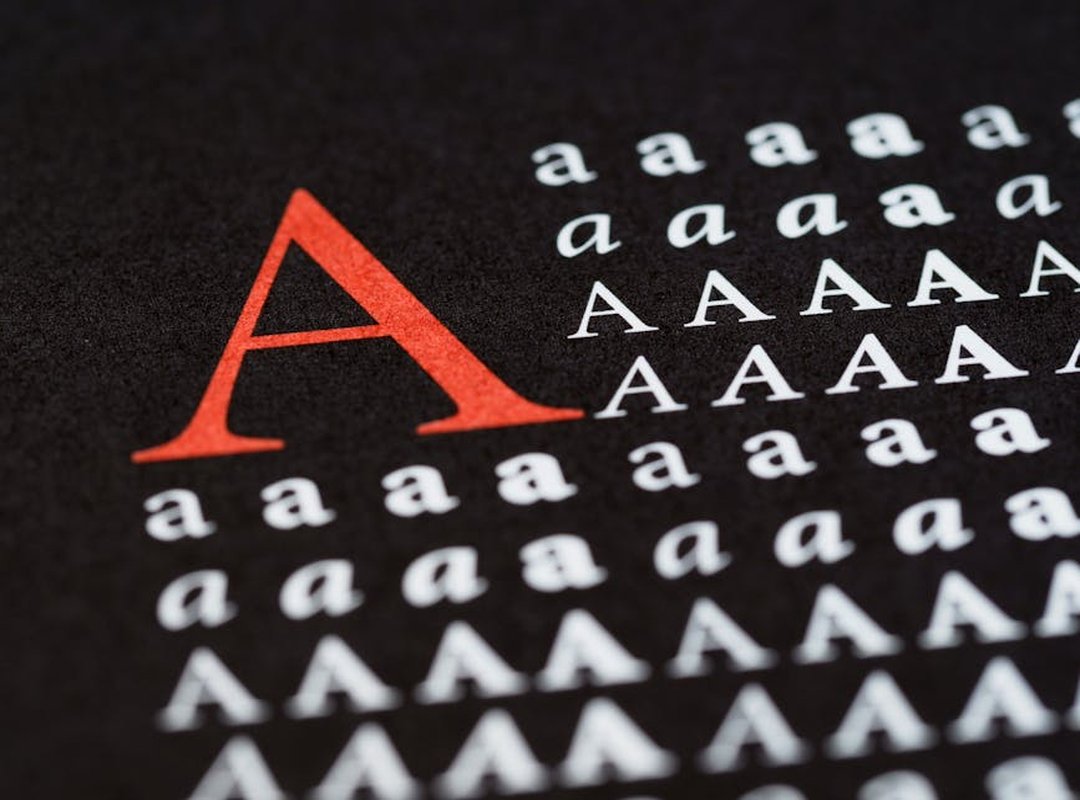
Finding the right images can be a real challenge. You want something that looks professional but won’t break the bank.
One of my go-to sources is dark:ih71b_rxy_k= imagenes aesthetic. It’s got a great selection, and the quality is top-notch.
When it comes to editing, keep it simple. Basic tools like cropping, adjusting brightness, and adding filters can make a huge difference.
Don’t overdo it, though, and the goal is to enhance, not overwhelm.
Consistency is key. Use the same color schemes, fonts, and styles across all your visuals.
This makes your content look more polished and helps build brand recognition.
Remember, high-quality imagery isn’t just about looking good. It’s about making your message clear and engaging.
Creating Engaging Social Media Visuals
When it comes to social media, one size does not fit all. Each platform has its own vibe and audience. Instagram is all about eye-catching, high-quality images.
Twitter thrives on quick, impactful visuals that can tell a story in seconds. Facebook is a mix of both, where longer-form content and detailed images can do well.
Dark:ih71b_rxy_k= imagenes aesthetic
Storytelling through visuals is key, and it’s not just about pretty pictures. You need to connect with your audience on an emotional level.
Use a series of images to build a narrative. This keeps people engaged and coming back for more.
Interactive elements are a game changer. Polls, quizzes, and stickers make your posts more engaging. They encourage your audience to interact, not just scroll past.
Adding these interactive elements can also give you valuable insights. What do your followers like? What do they want to see more of?
Use this data to refine your content strategy.
Remember, the goal is to stand out, and don’t just follow the crowd. Find what makes your brand unique and highlight it.
That’s how you create visuals that truly engage.
Elevate Your Content with Aesthetic Visuals
dark:ih71b_rxy_k= imagenes aesthetic
Aesthetic visuals are crucial for creating engaging and impactful content. They not only capture attention but also enhance the overall message.
To improve your visual content, focus on using high-quality images, consistent color schemes, and clear, readable fonts. Experiment with different layouts and design elements to find what resonates most with your audience.
Embrace a mindset of continuous improvement. Try new tools and techniques, and always be open to feedback.

 As both a co-founder and key contributor at BetVlogHub. Auritha drives the platform’s vision of blending betting insights with cutting-edge technology. Her work focuses on innovation, user experience, and building resources that empower readers to make smarter betting decisions.