
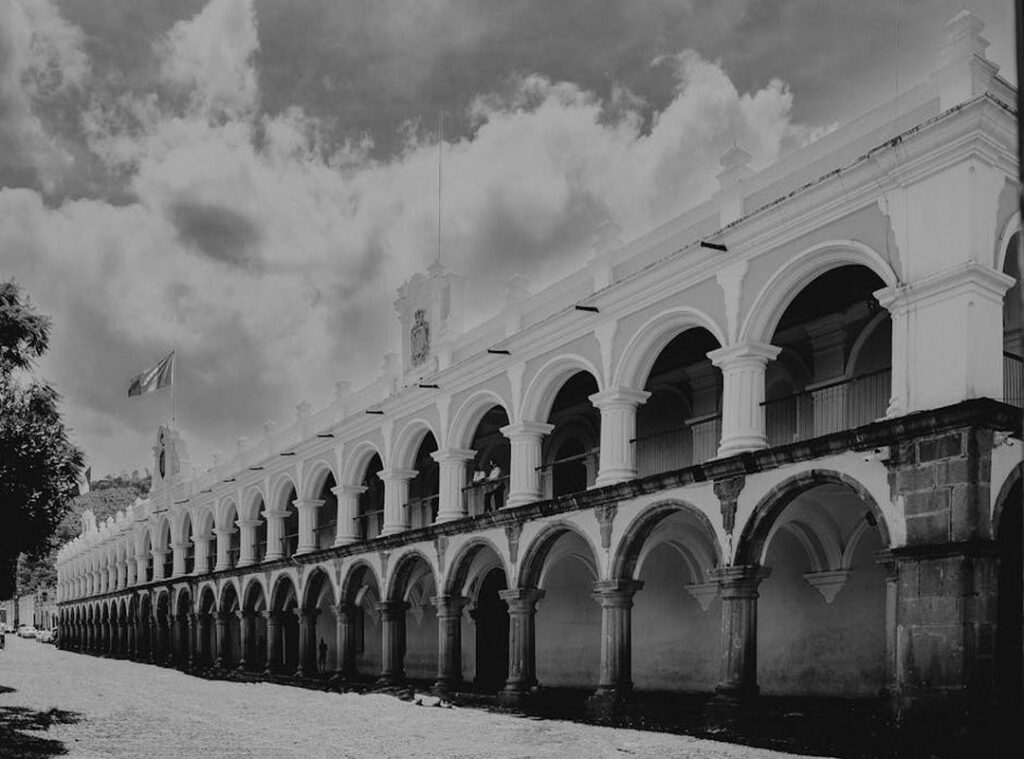
I’ve always been fascinated by history, especially when it’s captured in photographs. tartaria fotos antiguas offer a unique glimpse into a past that many of us know little about. These images aren’t just pictures; they’re a window into the rich and complex history of Tartaria.
Why should you care? Well, these photos tell stories that are often overlooked. They show the real people, the real places, and the real events that shaped this region.
I’ve spent a lot of time researching and curating these images. I want to share what I’ve found, not just because it’s interesting, but because it’s important. Understanding our past helps us understand our present.
So, let’s dive in. You might be surprised by what we uncover.
The Historical Context of Tartaria
Tartaria, a name that might sound unfamiliar to many, was a vast and diverse region. It stretched across parts of Eastern Europe and Central Asia. The cultural background here was rich and varied, with influences from multiple empires and nomadic tribes.
Let’s set the stage with a timeline of key events:
- 13th Century: The Mongol Empire, under Genghis Khan, swept through the region. This period saw significant changes in governance and culture.
- 15th-16th Centuries: The rise of the Ottoman Empire brought new challenges and conflicts. The region became a battleground for power and influence.
- 18th-19th Centuries: Russian expansion into the area led to the annexation of many territories. This era marked a shift in the political landscape.
- 20th Century: World War I and the subsequent Russian Revolution had profound impacts. The region saw the collapse of old empires and the rise of new nations.
Understanding this historical context is crucial. It helps us appreciate the complexity and depth of the tartaria fotos antiguas. These images capture not just moments in time but also the layers of history and culture that shaped the region.
Early Photography in Tartaria (1850-1900)
The Emergence of Photography
Photography made its way to Tartaria in the mid-19th century. It was a game-changer, offering a new way to document and share the region’s rich culture and landscapes.
Key Photographers
Some of the pioneering photographers who captured the first images of Tartaria were true visionaries. They had to be both artists and technicians, often working in challenging conditions. Names like Ivan Kozlov and Elena Petrova stand out.
Their work, known as tartaria fotos antiguas, is still celebrated today for its historical and artistic value.
Techniques and Equipment
The early photographers in Tartaria used techniques like wet collodion and daguerreotypes. These methods required a lot of patience and skill. The equipment was bulky and fragile, adding to the challenge.
If you’re interested in this era, I recommend checking out local museums and archives. They often have collections that can give you a deeper understanding of the period.
You might also want to try some of these old techniques yourself. There are workshops and online tutorials that can guide you through the process. It’s a great way to appreciate the art and science behind those early photographs.
Photographs from the Late 19th Century (1870-1900)
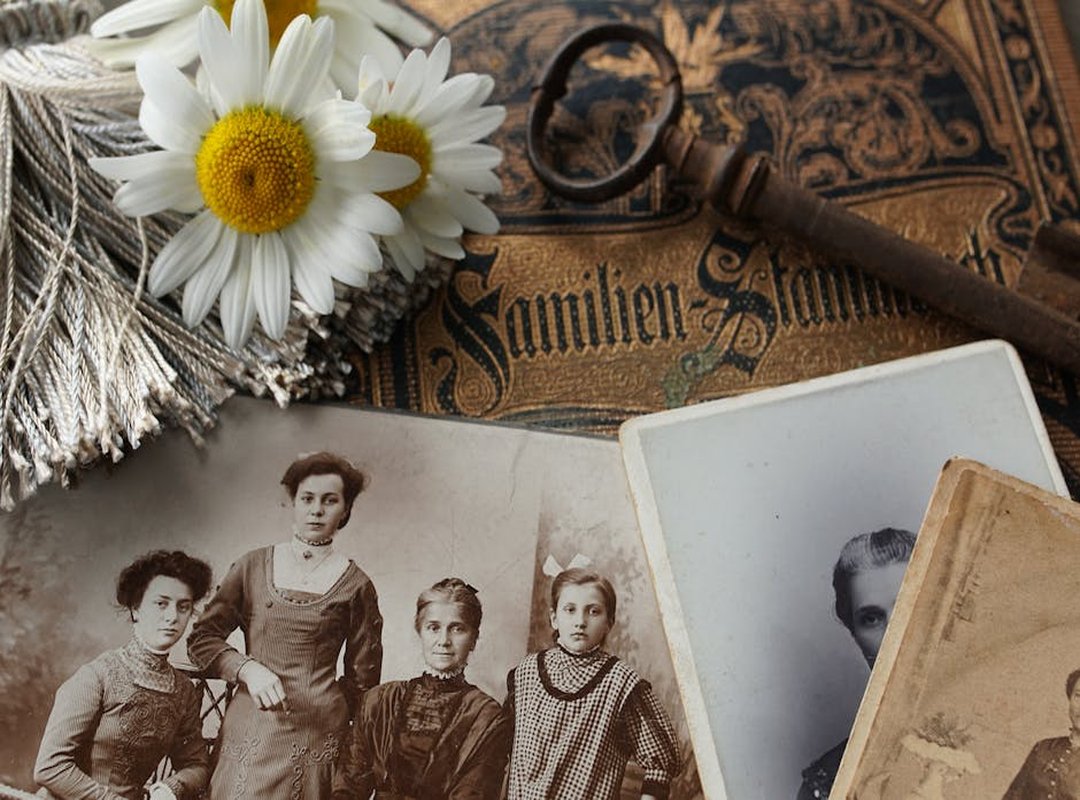
Urban Landscapes: Showcase photographs of Tartaria’s cities and towns, highlighting architectural styles and urban development. These images give us a glimpse into the past, showing how our ancestors lived and built their communities.
Rural Life: Present images of rural areas, including agricultural practices, village life, and traditional customs. These photos capture the essence of daily life in the countryside, where people worked the land and maintained age-old traditions.
Social and Cultural Events: Include photographs of significant social and cultural events, such as festivals, markets, and religious ceremonies. These moments were central to community life, bringing people together to celebrate and honor their heritage.
Tartaria fotos antiguas offer a unique window into the past. They help us understand the rich history and diverse cultures that shaped the region. By examining these images, we can see the evolution of both urban and rural landscapes, and the enduring importance of social and cultural events.
If you’re looking to share and monetize your own historical or cultural content, consider exploring ways to make the most of your vlog channel.
Photographs from the Early 20th Century (1900-1930)
Industrialization and modernization reshaped the world. New factories, transportation, and infrastructure popped up everywhere. It was a time of rapid change.
Social changes were just as dramatic. Fashion, education, and daily life all evolved. People started to look and act differently.
It’s fascinating to see how quickly things shifted.
Political and social movements also left their mark. Protests and significant social changes were captured in photographs. These images tell a story of people fighting for what they believed in.
tartaria fotos antiguas remind us of a different era. They show a world that’s both familiar and distant. Looking at these photos, you can almost feel the energy and tension of the times.
The Enduring Legacy of Tartaria’s Historical Photographs
The article delves into the key themes and periods captured in tartaria fotos antiguas. These images span from the early 20th century to the mid-1900s, showcasing the region’s cultural, social, and economic transformations. They highlight the daily lives of people, significant events, and the evolving landscapes.
These photographs provide a valuable window into the past. They help us understand and appreciate Tartaria’s rich history by offering a visual narrative that complements written records. Through these images, we can see the faces, places, and moments that shaped the region.
Explore and preserve these historical photographs. They are a vital part of our shared cultural heritage, connecting us to the stories and experiences of those who came before us.

 As both a co-founder and key contributor at BetVlogHub. Auritha drives the platform’s vision of blending betting insights with cutting-edge technology. Her work focuses on innovation, user experience, and building resources that empower readers to make smarter betting decisions.